Skip to content
Products · Your own service

The service you planned,
built by combining modules

Membership platforms, secondhand trading and matching, booking networks, internal systems, intranets. Members, payments, boards and notifications are already there, so you only build the remaining modules. You can hand that to AI with devkit.

  • GPL v2Open source
  • MCPAI dev tools
  • 8shared across providers
  • Resourcesdeploy · update
esports-demo.zitt.me

01What people build

Minus what the engine already has (members, permissions, payments, boards, notifications, languages, admin screens), all you build are a few core screens of your service.

  • 01
    Membership platforms

    Tiers, subscriptions, points and notifications are in the core. Paid memberships go through zittme Pay.

  • 02
    Matching · secondhand · tournaments

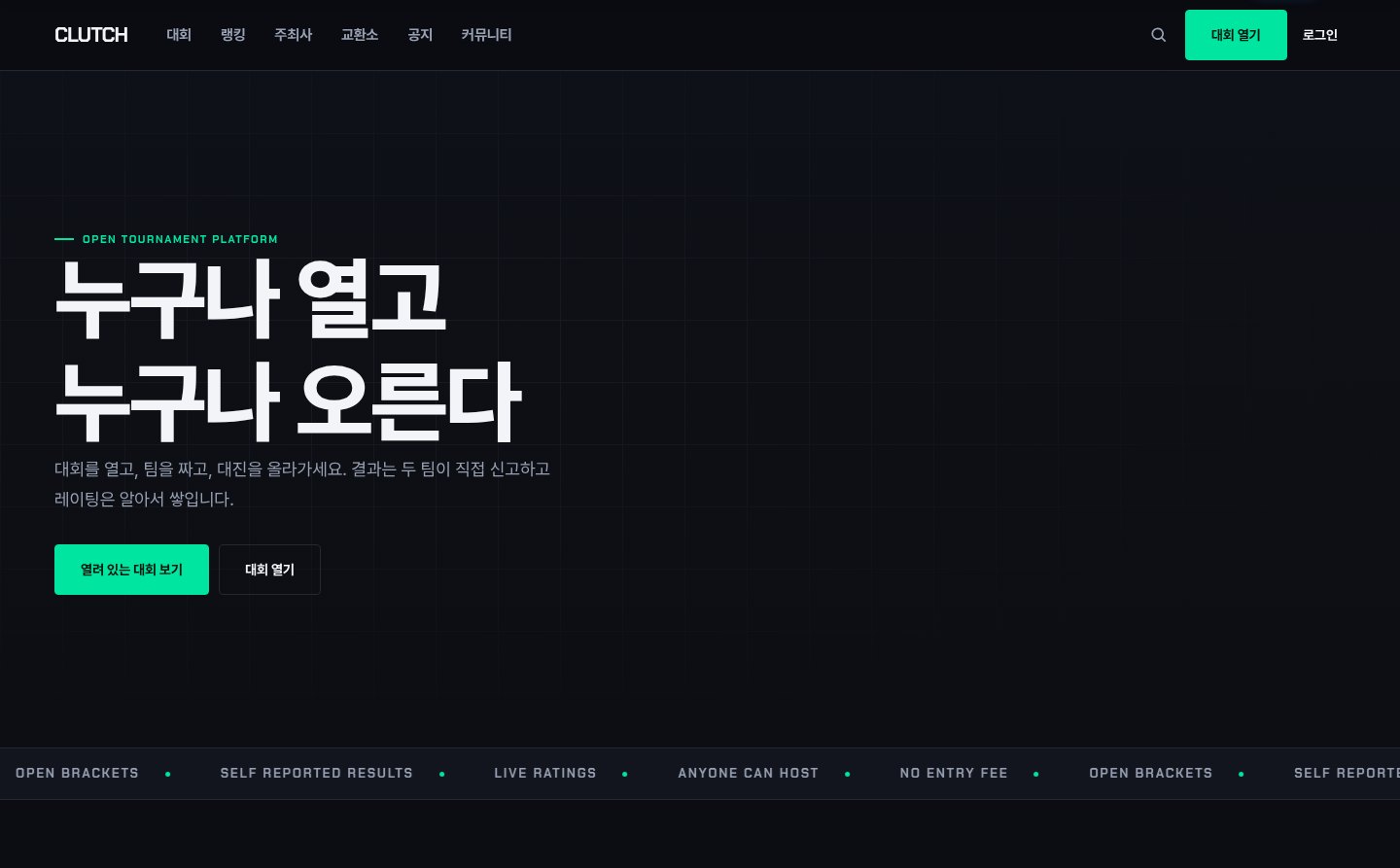
    One module that ties posts, members and payments. The esports tournament platform demo is an example.

  • 03
    Booking networks

    Multiple branches, staff, settlement. Use the Bookings module as is or extend it.

  • 04
    Internal systems · intranets

    Group permissions, approval and document boards, notifications. Members only, nothing public.

  • 05
    Add payments to your own service

    zittme Pay is a shared payment engine: register an order and it handles the payment window, approval, cancellation and webhooks.

  • 06
    Distribute through Resources

    Publish the modules and themes you build to Resources, free or paid, with automatic updates.

02Services built by combining modules

The esports tournament platform built members, teams, tournaments and an exchange as custom modules and left payments to zittme Pay.

03How to build it

Use what exists first

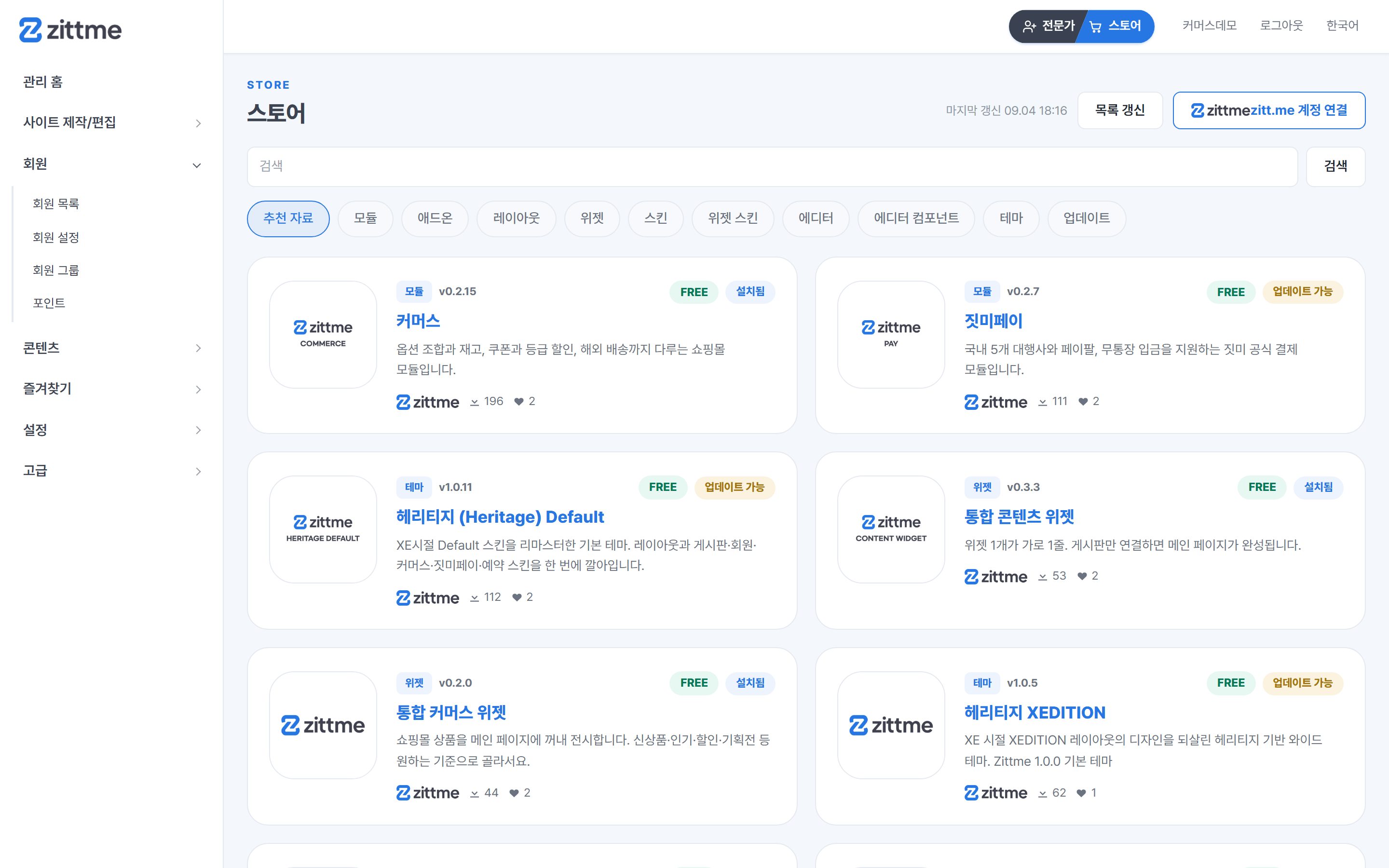
Members, permissions, boards, notifications, languages and admin screens are in the core; payments are zittme Pay; bookings and products are modules. Install and combine them from Resources.
Build what is missing with devkit

The MCP server and dev skills teach AI the Zittme conventions (module structure, query XML, template v2, language files). Say "build me a booking waitlist module" and you get tables, screens and admin settings that follow the conventions.

  • Core API index prevents guessed calls
  • Checklists and known pitfalls supplied automatically
  • Deploy, verify and logs, all as tools

Publish what you build to Resources

Register a package in Resources and other sites install and update it from their admin. For paid packages, Resources handles licenses, payment and refunds.

04What goes in

What developers need.

Toolsdevkit (MCP server)Free

Core index, conventions, checklists, scaffolding, deploy, verification. Connects to your AI editor.

Details →
DocsDeveloper guideBuilt in

Modules, skins, layouts, widgets, query XML, events, security rules.

Details →
Moduleszittme Pay integrationFree

Register order → pay → approval trigger. Requesting modules never need to know the PG.

Details →
CoreEvents (triggers) · permissionsBuilt in

Hook into member, document and payment events to extend.

Details →
DeployResources listingBuilt in

Packages, versions, licenses, paid sales.

Details →
CompatibilityRhymix compatibility layerBuilt in

Commerce and zittme Pay also install on Rhymix 2.1.

Details →

05Opening steps

STEP 1Design

Separate what existing modules cover from what you need to build. Usually it is three or four new screens.

STEP 2Develop

Connect devkit to your AI editor and build modules by the conventions. Checklists and verification tools catch mistakes.

STEP 3Deploy · operate

Publish to Resources or install directly on your site. Updates come from the admin library.

07Frequently asked questions

Leave anything else in Q&A under Support. The development team answers.

Can I use Rhymix modules as they are?
Most run as is. The core namespace is Zittme\ and Rhymix\ is a compatibility alias.
Can I ship a module AI built as is?
Run it through the verification tools (syntax, conventions, post-deploy page checks) and pass the Resources review. A person looks at it last.
Can I use it for a commercial service?
It is GPL v2. Running a service is free; you only have to publish source when you distribute a modified core.

Just build
a few core screens

The rest is in the engine. Connect devkit and AI writes it by the conventions.